Bone Bus at Nerang Medical Centre & Skin Clinic
Bone health is an important part of overall wellbeing, especially as people age. Many Australians are unaware they may be at risk of osteoporosis until a fracture or injury occurs. Early detection through a bone density assessment can help identify potential issues before they become serious.
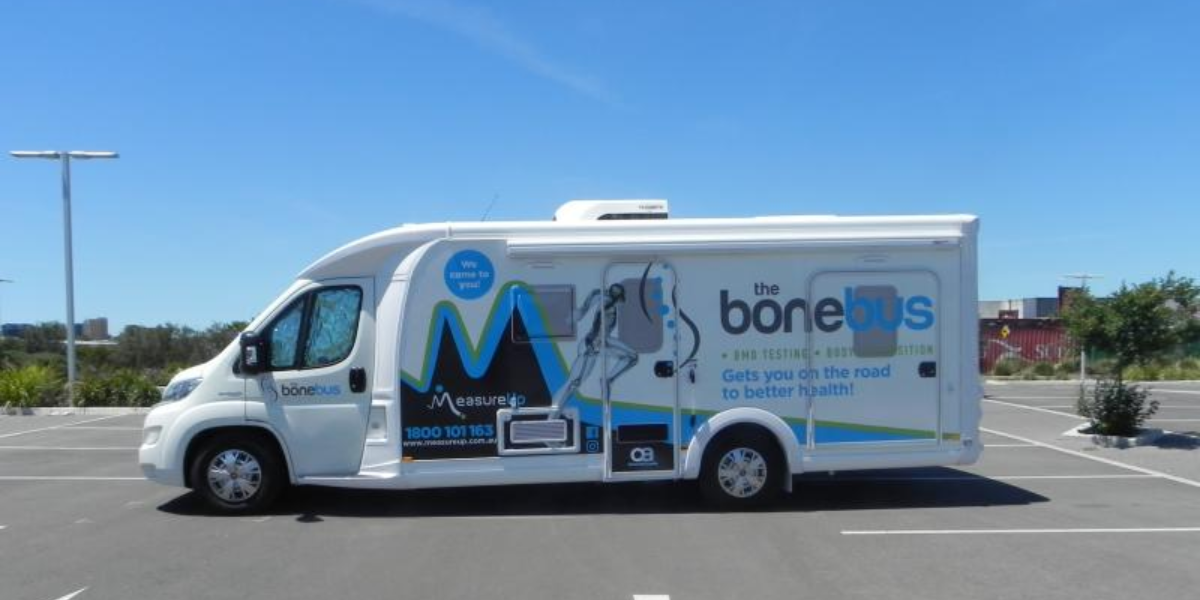
The Bone Bus at Nerang Medical Centre & Skin Clinic provides convenient access to professional bone health assessments close to home. Our team supports patients with reliable osteoporosis screening and bone density testing in a comfortable and accessible environment.
What Is the Bone Bus?
The Bone Bus is a mobile bone health screening service designed to provide accessible osteoporosis assessments for local communities. Using advanced scanning technology, the service measures bone strength and helps identify early signs of bone loss.
Patients visiting Nerang Medical Centre & Skin Clinic can access convenient osteoporosis screening without the need to travel long distances. The service is especially beneficial for older adults, postmenopausal women, individuals with a family history of osteoporosis, and patients with medical conditions that may affect bone health.
Why Bone Health Matters
Bones naturally lose density over time. In some individuals, this process occurs more rapidly, leading to osteoporosis. Osteoporosis causes bones to become fragile and increases the risk of fractures.
Fractures related to osteoporosis commonly affect the hips, spine, and wrists. These injuries can significantly impact mobility, independence, and quality of life. Early detection allows patients to take preventive action before complications develop.
Certain factors may increase the risk of bone loss, including:
- Ageing
- Menopause
- Low calcium intake
- Vitamin D deficiency
- Smoking and excessive alcohol consumption
- Sedentary lifestyle
- Long-term corticosteroid use
- Family history of osteoporosis
What Is a DEXA Scan?
A DEXA scan, also known as a dual-energy X-ray absorptiometry scan, is the most commonly used test for measuring bone density. It is considered the gold standard for diagnosing osteoporosis and evaluating fracture risk.
The scan uses low-dose X-rays to measure bone mineral density in areas such as the spine and hips. It is safe, non-invasive, and usually takes less than 20 minutes to complete.
Results from the scan help doctors determine whether bone density is normal, reduced, or within the osteoporosis range.
Who Should Consider Osteoporosis Screening?
Osteoporosis can develop silently over many years without noticeable symptoms. Routine screening is important for individuals who may be at higher risk.
You may benefit from osteoporosis screening if you:
- Are over the age of 50
- Have experienced a previous fracture
- Have a family history of osteoporosis
- Are postmenopausal
- Smoke or consume alcohol regularly
- Have low body weight
- Take medications that affect bone strength
- Have chronic health conditions affecting bone metabolism
Benefits of Early Osteoporosis Detection
Early diagnosis allows patients and healthcare providers to implement strategies that may help slow bone loss and reduce fracture risk.
Benefits of early screening include:
- Improved fracture prevention
- Personalised treatment recommendations
- Lifestyle guidance for stronger bones
- Monitoring of bone health over time
- Greater awareness of osteoporosis risk
Osteoporosis Prevention Tips
Maintaining healthy bones involves a combination of nutrition, physical activity, and regular medical assessments.
Maintain Adequate Calcium Intake
Calcium is essential for strong bones. Dairy products, leafy greens, almonds, and fortified foods are common sources of calcium.
Get Enough Vitamin D
Vitamin D helps the body absorb calcium effectively. Sunlight exposure and certain foods may assist in maintaining healthy vitamin D levels.
Stay Physically Active
Weight-bearing exercises such as walking, resistance training, and balance exercises can help support bone density and reduce fall risk.
Avoid Smoking and Excess Alcohol
Smoking and excessive alcohol consumption may contribute to bone loss over time.
Attend Regular Bone Health Assessments
Routine bone density testing helps identify changes in bone strength and allows healthcare providers to recommend appropriate management strategies.
What to Expect During Your Appointment
Patients attending the Bone Bus at Nerang Medical Centre & Skin Clinic can expect a professional and straightforward experience.
Before the scan, you may be asked about your medical history, medications, and fracture history. The DEXA scan itself is quick, comfortable, and non-invasive.
During the procedure, you will lie on a scanning table while the machine measures bone density. No injections or special preparation are usually required.
Following the assessment, your healthcare provider may discuss your results, lifestyle recommendations, and further management options if needed.
Why Choose Local Osteoporosis Screening in Nerang?
Convenient access to local osteoporosis screening encourages patients to prioritise preventive healthcare. The Bone Bus allows patients to undergo professional screening without extensive travel or long waiting periods.
- Convenient local access to bone health assessments
- Professional DEXA scanning technology
- Support for early osteoporosis detection
- Ongoing monitoring and preventive care guidance
Conclusion
The Bone Bus at Nerang Medical Centre & Skin Clinic provides accessible and reliable osteoporosis screening services for the local community. With professional bone density testing, convenient appointments, and a strong focus on preventive care, patients can take proactive steps to protect their long-term bone health.
Book your bone health assessment today and access trusted osteoporosis screening at Nerang Medical Centre & Skin Clinic.